

When you're twenty metres down with a drysuit and thick gloves, the last thing you want to do is squint at a tiny watch face. Large screen dive computers — sometimes called large display dive computers — are built around one simple principle: your dive data should be instantly readable at a glance, without pressing a button or fumbling through menus.
The category has grown significantly over the last few years. Where large screen computers were once the preserve of technical divers monitoring multiple gas mixes, today they span everything from beginner-friendly recreational models like the Scubapro Luna 2.0 (from £305) to full expedition-grade instruments like the Shearwater Perdix 2 Ti (£1,097) capable of trimix and CCR diving to 200 metres.
This guide covers all 15 large screen dive computers we stock, with a full side-by-side feature comparison, individual model overviews and our recommendations by use case.
Quick recommendations by use case
What to look for in a large screen dive computer
Display technology
The most important split is between LCD, colour TFT and AMOLED. LCD screens (Scubapro Luna 2.0, Cressi Raffaello, Mares Quad 2) are reliable and battery-efficient but show less contrast. Colour TFT — used across the Shearwater range — offers vivid, customisable data screens. AMOLED screens, found on the Suunto Nautic, Garmin Descent X50i and X30, deliver the richest colours and deepest blacks, with exceptional readability in all light conditions including bright surface sunlight.
Air integration
Air integration allows your computer to receive live tank pressure wirelessly from a transmitter on your regulator, displaying remaining gas and air time remaining alongside your depth and decompression data. Of the 15 computers here, 10 offer air integration. The Shearwater Peregrine TX is the most popular entry point at £721.
Technical diving capability
Six of the fifteen computers support trimix and technical gas configurations: both Shearwater Perdix 2 variants, both Garmin Descent models, and the Suunto Nautic and EON Steel. If you're currently recreational but planning to progress into technical diving, it's worth choosing a computer that will grow with you.
Algorithm
The Shearwater and Garmin ranges use Bühlmann ZHL-16C with gradient factors — preferred by technical divers for precise conservatism control. The Suunto range uses Fused RGBM, slightly more conservative by default. Neither is inherently better — they reflect different philosophical approaches to decompression management.
Battery
Almost every computer here is USB rechargeable. The notable exception is the Shearwater Perdix 2 Ti, which uses a standard AA — a deliberate choice for liveaboard and remote diving where reliable charging isn't always available. Being able to buy a fresh AA anywhere in the world is genuinely valuable on extended trips.
For a full side-by-side spec comparison of all 15 models, see our large screen dive computer comparison table.
Model-by-model overview
Shearwater Peregrine & Peregrine Adventures Edition — £544
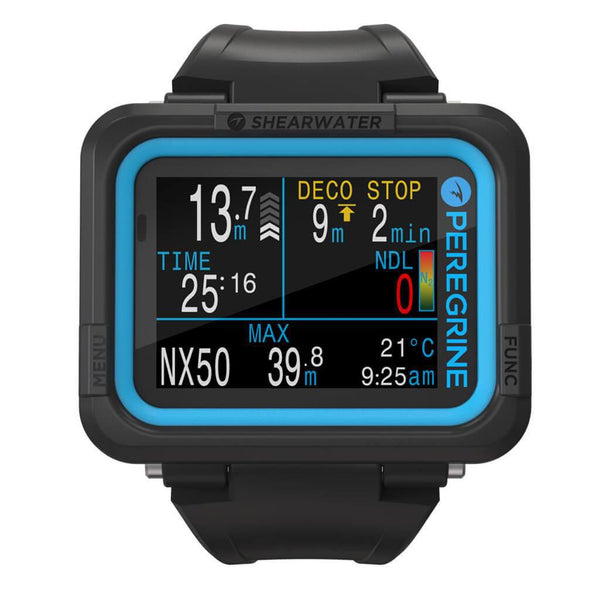
The Peregrine is consistently our bestselling large screen computer. Its 2.2-inch colour TFT display shows all critical dive data on one screen without scrolling. Simple two-button operation, air, nitrox and gauge modes, up to three gas mixes. The Adventures Edition adds special colourways. Neither includes air integration — for that, step up to the Peregrine TX.
Shearwater Peregrine TX — £721
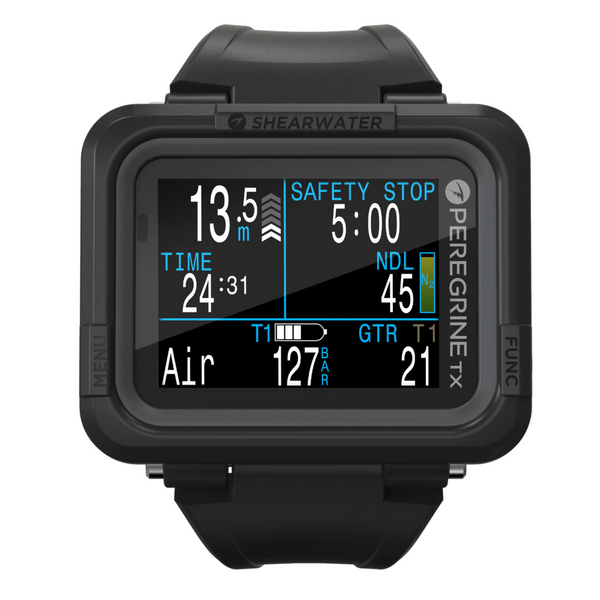
The Peregrine TX adds wireless air integration via Shearwater's Swift transmitter, displaying tank pressure and calculated air time remaining. Supports one transmitter. Also compatible with the Swift GPS transmitter for surface position logging.
Shearwater Perdix 2 Ti & Perdix 2 Ti Bronze Journeys — £1,097
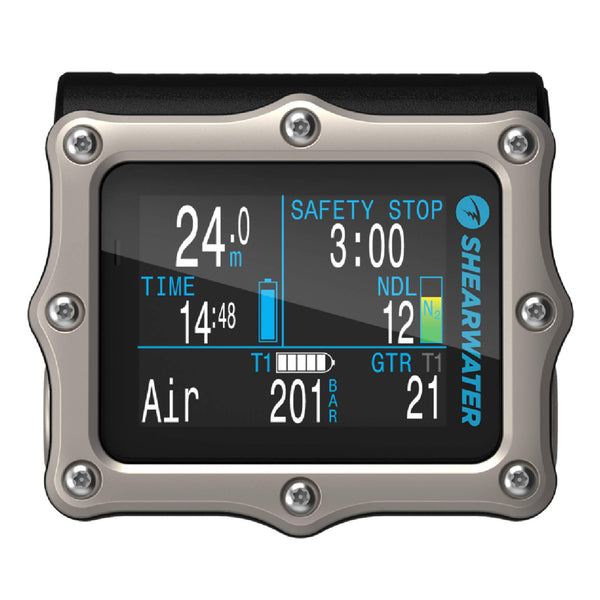
Shearwater's flagship technical computer. Supports 10 gas mixes across open and closed circuit modes, VPM-B + Bühlmann algorithm, titanium housing rated to 200m. The standard AA battery is the key differentiator — on liveaboards and remote trips, buying a fresh battery anywhere beats hunting for a charger.
Suunto EON Core — from £445
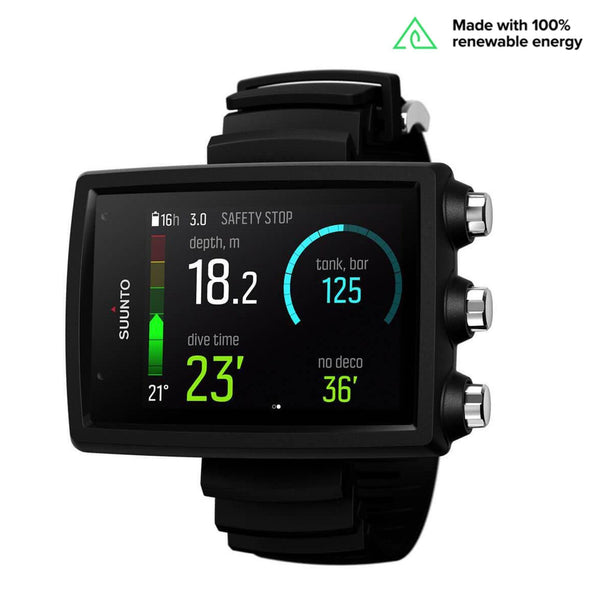
Suunto's best-value large screen computer. The 2.7-inch colour TFT display is larger than the Peregrine's — a genuine advantage for readability. Air integration via Suunto Tank POD (up to 10 transmitters), trimix support, Suunto app connectivity. Currently up to 34% off.
Suunto Nautic — from £625
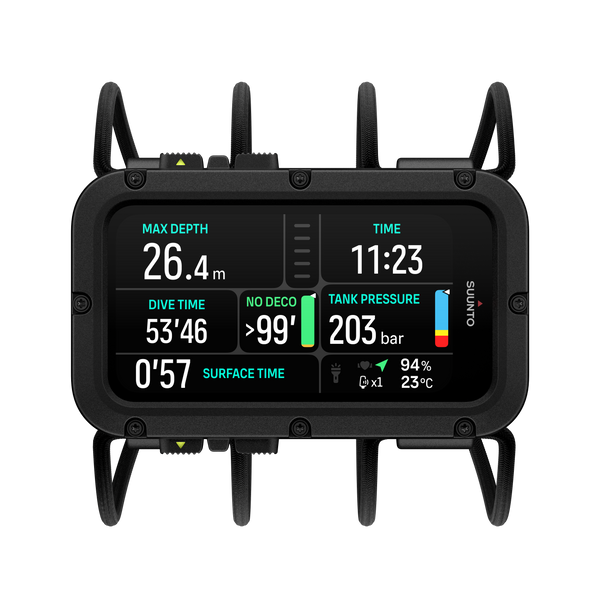
Suunto's newest flagship. AMOLED display, built-in GPS, full smartwatch functionality, five gas mixes and trimix. The best choice if you want a serious dive computer that also works as a daily wearable.
Suunto EON Steel Black — from £519
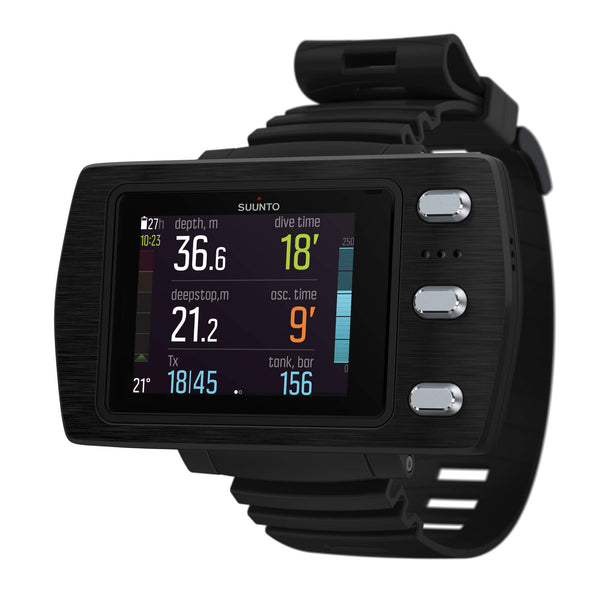
The best-value technical computer in this comparison. At £519 (up to 47% off RRP), it offers trimix, CCR mode, up to 10 transmitters and 10 gas mixes — capabilities that competing models charge far more for. Outstanding value for technical divers.
Garmin Descent X50i — £1,330
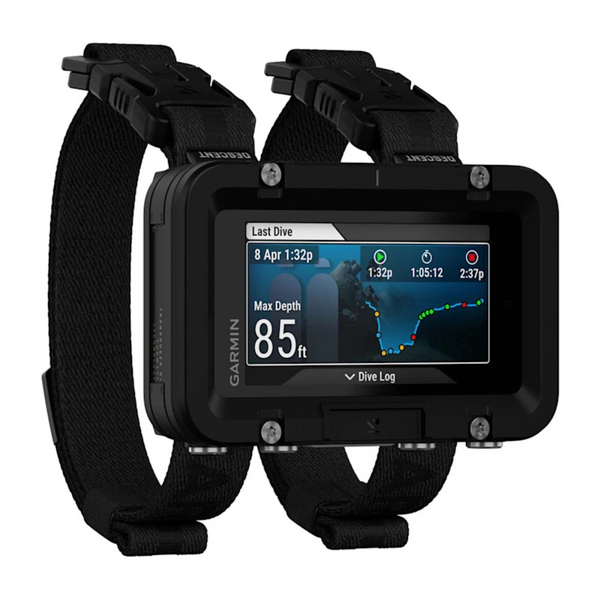
Garmin's flagship. The 3.0-inch AMOLED display is the largest screen in this comparison. Full technical capability — trimix, CCR, up to 8 transmitters — combined with GPS, health monitoring and navigation. The definitive one-device solution for divers who want the best above and below water.
Garmin Descent X30 — £650
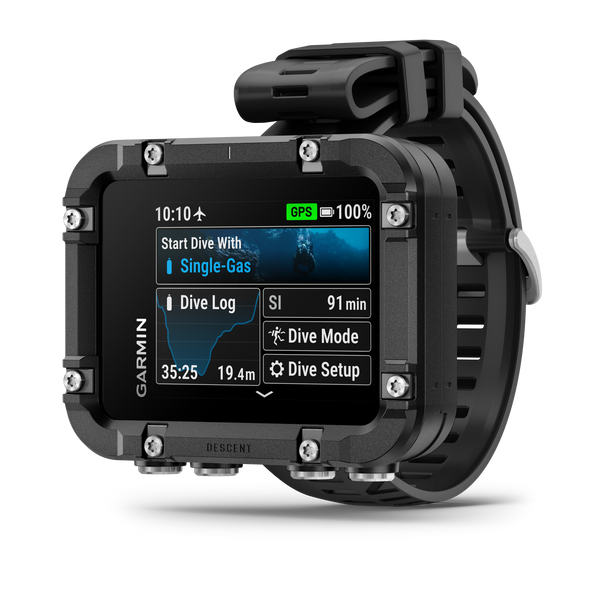
Most of the X50i's capability — trimix, GPS, CCR, up to 8 transmitters — in a more compact package at a lower price. The 2.4-inch AMOLED screen is smaller but still excellent. The natural choice for divers who want a capable Garmin without the flagship price.
Scubapro Luna 2.0 AI — from £341
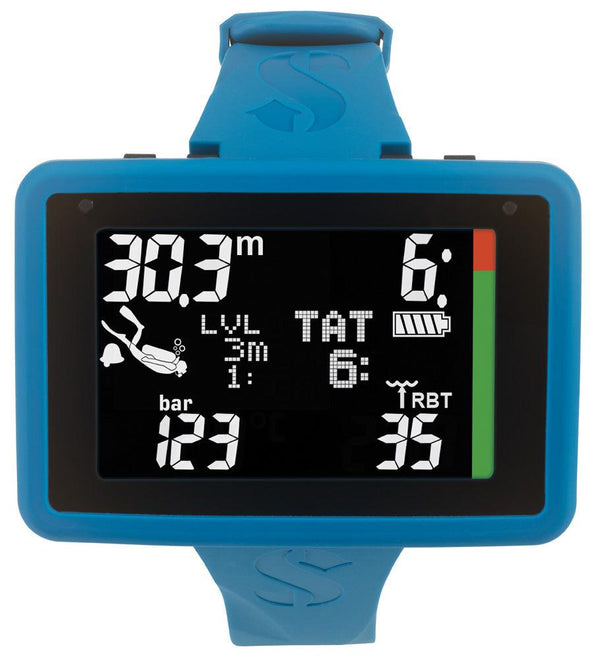
Wireless air integration on Scubapro's popular entry-level platform at an accessible price. Large LCD display, conservative UWATEC algorithm, straightforward operation. A strong choice for a diver adding air integration for the first time.
Scubapro Luna 2.0 — from £305
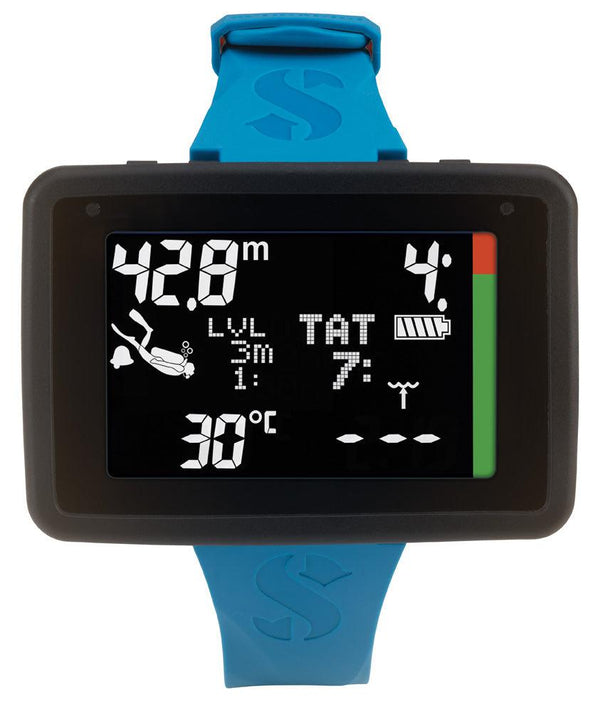
The most affordable computer in this comparison. Clear LCD display, single-button operation, trusted UWATEC algorithm. A genuine recommendation for new divers on a budget who don't need air integration.
Cressi Raffaello — from £315
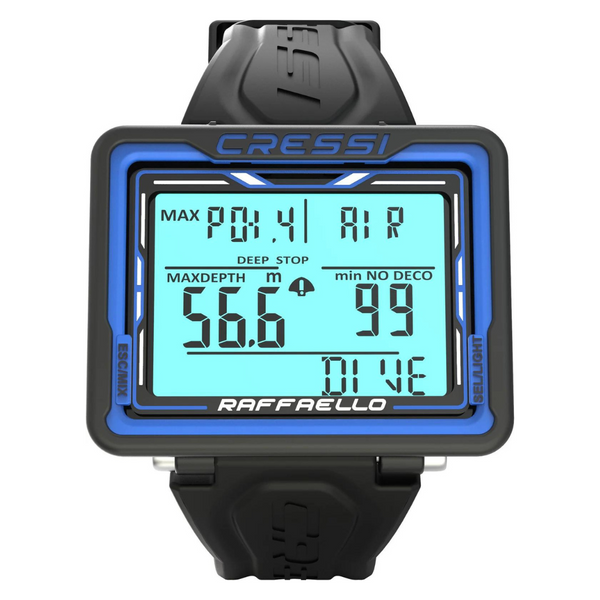
2.4-inch LCD display, two gas mixes, freedive mode and digital compass in a compact, attractively priced package. A strong value option for recreational divers stepping up from entry-level.
Mares Quad 2 — £343
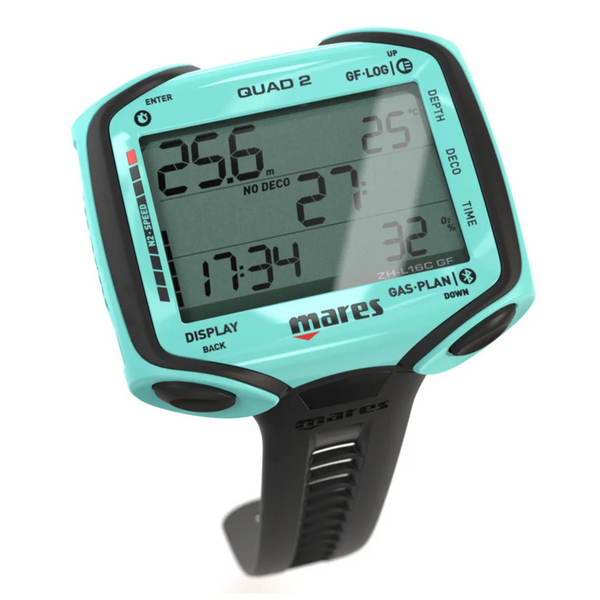
Vivid 2.4-inch colour TFT display with a four-field layout, three gas mixes including nitrox, intuitive four-button operation. A practical, no-fuss recreational computer for divers who prioritise simplicity and clear data.
Frequently asked questions
What is a large screen dive computer?
A large screen dive computer is a wrist-mounted computer with a larger-than-average screen — typically 2 inches or more — showing all critical dive data simultaneously without scrolling. Popular with divers who wear prescription lenses, dive in low-visibility conditions, or simply prefer bigger, bolder readouts.
Do I need air integration?
Not essential but widely considered one of the most useful upgrades. It lets your computer display live tank pressure and air time remaining on the same screen as your dive data — no separate console needed. Ten of the 15 computers here offer it.
Bühlmann vs RGBM — what's the difference?
Both are decompression algorithms. Bühlmann ZHL-16C with gradient factors (Shearwater, Garmin) gives fine control over conservatism and is favoured by technical divers. RGBM (Suunto, Mares) is slightly more conservative by default and is popular with recreational divers. Neither is inherently safer.
Which is best for UK diving?
For UK cold-water and low-visibility diving, we most commonly recommend the Shearwater Peregrine TX or Perdix 2. Both have bright colour displays, vibration alerts (useful under thick gloves), and robust build quality. The Suunto EON Core and EON Steel are also popular, with larger screens that work well for drysuit divers needing at-a-glance readability.
Not sure which model is right for you? Our team is available in-store in Chiswick or via video consultation.


