

Drysuits are essential for cold water diving, especially in UK conditions. While they keep you dry, it's your undersuit/thermals that provide the warmth.
Choosing the right one makes a huge difference - helping you stay comfortable, extend your dive time, and enjoy every moment underwater. Get it wrong, and even the best drysuit won't stop you feeling the cold ❌️
At Mike's Dive Store, you'll find a range of thermals and undersuits suited to everything from milder dives to cold UK conditions.

Why Undersuits Matter
A drysuit doesn't provide insulation on its own - it simply keeps water out. The real warmth comes from the air and insulation created by your undersuit.
A good undersuit will:
- Trap warm air close to your body
- Wick moisture away to keep you dry
- Maintain insulation even at depth
This is especially important for UK diving, where colder water temperatures mean your thermal protection really matters.
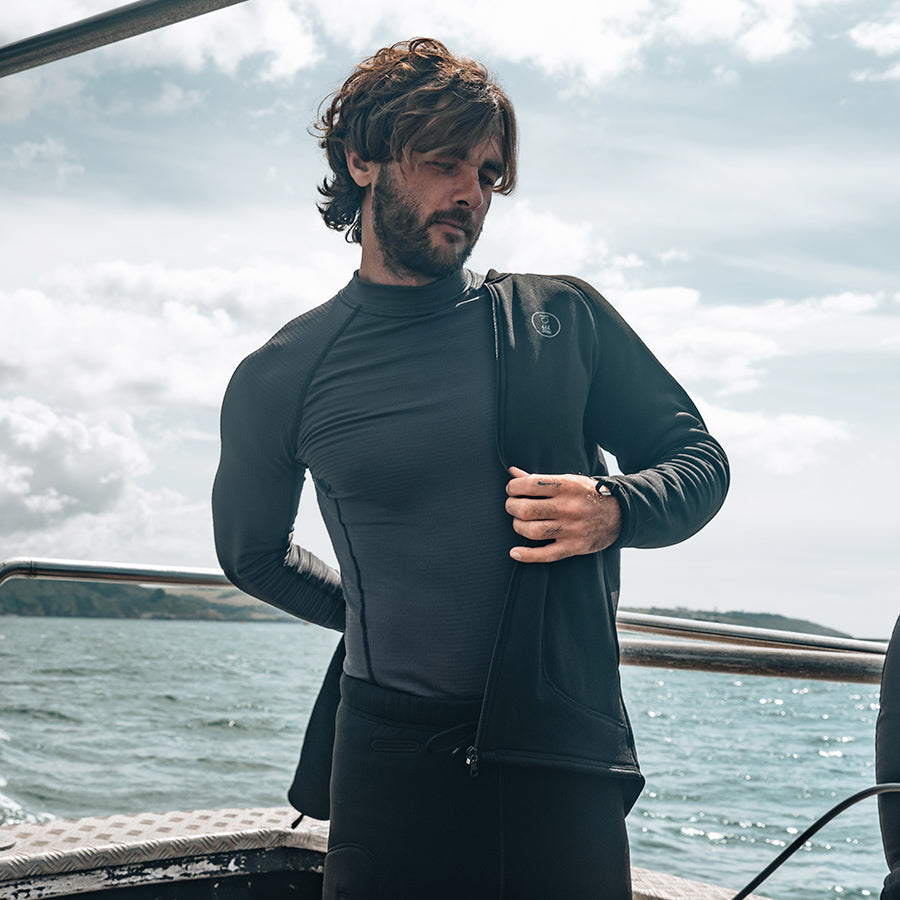
Types of Drysuit Undersuits
Not all undersuits are the same, and what you choose should reflect where and how you dive.
Lightweight Undersuits
Best for:
- Warmer waters
- Summer UK diving
- Travel
Lightweight undersuits are thinner, flexible, and easy to pack. They're ideal if you run warm or are diving in milder conditions.
Midweight Undersuits
Best for:
- Typical UK diving conditions
- Spring and autumn dives
- All-round versatility
These are a go-to choice for many divers, offering a balance between warmth and flexibility.
Heavyweight / Cold Water Undersuits
Best for:
- Winter diving
- Cold UK conditions
- Longer or deeper dives
If you're planning to dive regularly in colder water, this is where you'll want maximum insulation 🧊
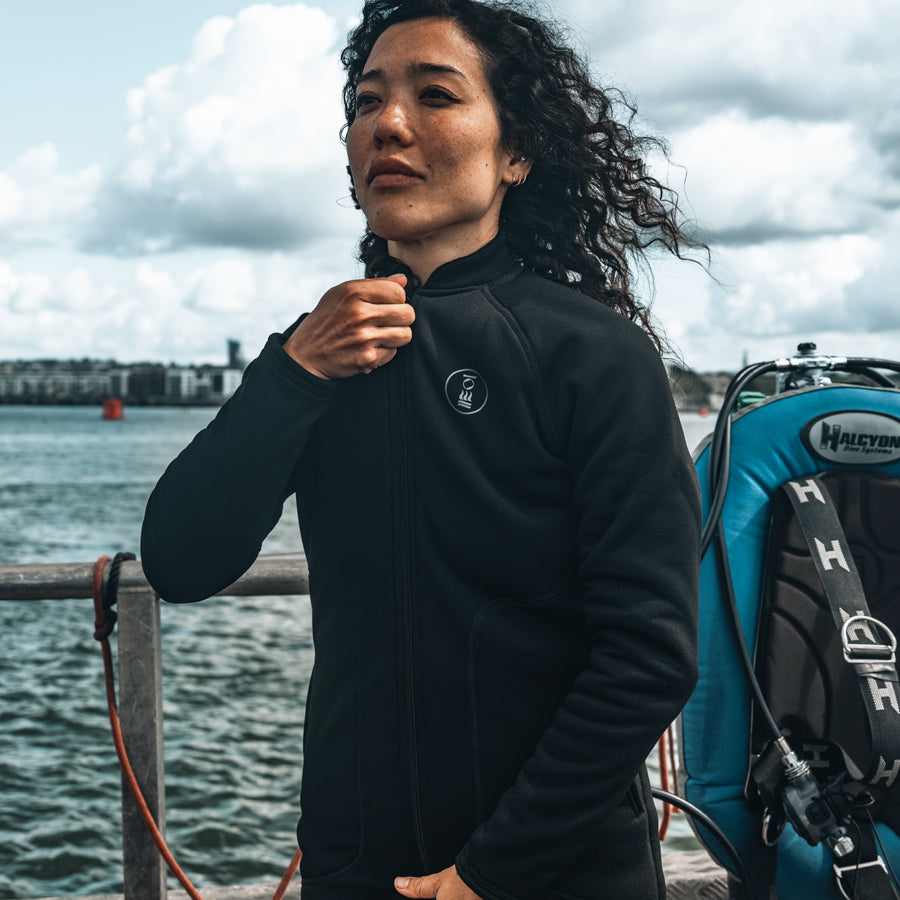
What to Look For in an Undersuit
Thermal Performance
Look for materials designed to retain warmth even when compressed underwater. A good undersuit will continue insulating you throughout the entire dive.
Breathability & Moisture Control
Even in cold water, you can sweat. A quality undersuit will wick moisture away from your body, helping you stay dry and warm.
Fit and Comfort
A good fit is key. Your undersuit should:
- Allow full movement
- Sit comfortably under your drysuit
- Avoid restricting circulation
Top tip: Layering
Many divers use a layering system:
- Base layer for moisture control
- Mid-layer for insulation
- Additional layers for colder dives
This gives you flexibility depending on the conditions.
Popular Undersuit Brands at Mike's Dive Store
Fourth Element
-
Fourth Element Halo AR Undersuit — ⭐ Best for cold water diving
A premium undersuit designed for maximum insulation, ideal for longer or deeper UK dives. -
Fourth Element Arctic Undersuit — ⭐ Best all-rounder
A versatile midweight option that balances warmth and flexibility, making it a popular choice for a wide range of conditions.
Santi
-
Santi Kango Men's Undersuit — ⭐ Best all-rounder for UK diving
A versatile midweight undersuit designed to deliver reliable warmth, flexibility, and comfort across a wide range of diving conditions.
Scubapro
-
Scubapro K2 Extreme Undersuit — ⭐ Best for maximum warmth
A high-performance undersuit designed for cold water and extended dive times. -
Scubapro K2 Medium Undersuit — ⭐ Best for everyday UK diving
A versatile midweight option offering a strong balance of warmth and mobility.
Whether you're after a lightweight travel option or a high-performance cold-water undersuit, there's something to suit every diver.
FAQs
Q: Do I need an undersuit if my drysuit is thick?
A: Yes. A drysuit alone provides very little insulation - it simply keeps water out. The warmth comes entirely from your undersuit and the air it traps. No matter how thick your drysuit is, you'll still need a proper undersuit to stay warm.
Q: How do I know which weight undersuit to choose?
A: It depends on where and when you dive. A lightweight undersuit suits warmer waters and summer diving, a midweight is great for spring, autumn, and typical UK conditions, and a heavyweight is best for winter or colder dives. If in doubt, go one weight warmer - you can always unzip your drysuit on the surface.
Q: Can I layer undersuits for extra warmth?
A: Absolutely. Many divers use a layering system - a moisture-wicking base layer, an insulating mid-layer, and a heavier undersuit for colder conditions. This gives you flexibility to adjust your thermal protection depending on the dive.
Q: Will an undersuit restrict my movement underwater?
A: A well-fitted undersuit shouldn't restrict movement at all. Look for designs that offer full range of motion and sit comfortably under your drysuit without bunching or compressing circulation.
Q: How do I care for my undersuit?
A: Most undersuits can be machine washed on a gentle, cool cycle. Always check the manufacturer's care instructions. Avoid tumble drying and store flat or hanging to maintain the insulation's loft and shape.
Q: Can I use the same undersuit for all seasons?
A: You could, but it's not ideal. A midweight undersuit works well as an all-rounder for much of the year, but you may want a lighter option for summer and a heavier one for winter diving. Many divers own two or three undersuits to cover different conditions.
Final Thoughts
Your drysuit keeps you dry, but your undersuit keeps you warm.
Choosing the right thermal setup means more comfortable dives, longer bottom times, and a much better overall experience. It's one of the smartest upgrades you can make as a diver.
We'd love to hear about your diving journey so far and what you're looking for in your own scuba gear. If you have any questions along the way, you're more than welcome to email us at support@mikesdivestore.com, schedule a video consultation, or drop by our Chiswick store for expert, face-to-face advice.


